Paper innovation keeps print alive and relevant.
In today’s digital age, many question whether print media still holds value. However, paper innovation continuously revitalizes the print industry, proving that print remains alive and relevant. This transformation doesn’t just preserve traditional printing methods but enhances them, offering new possibilities for businesses, artists, and consumers alike. Thanks to advances in materials, design, and technology, paper now stands out as a dynamic medium that complements the digital world.

How Paper Innovation Transforms Traditional Print
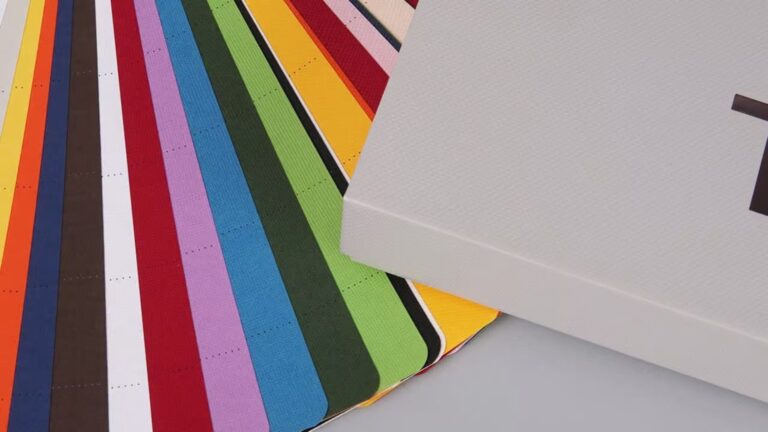
Firstly, paper innovation improves the quality and versatility of printed materials. For example, the development of eco-friendly and recyclable papers responds to growing environmental concerns. These papers maintain durability and aesthetics while reducing waste. Moreover, new textures and finishes provide tactile experiences that digital screens cannot replicate. Consequently, print items like packaging, books, and marketing materials become more engaging and appealing to consumers. This evolution ensures that print adapts to modern demands instead of becoming obsolete.
Enhancing Customer Engagement Through Innovative Paper
Secondly, companies utilize paper innovation to boost customer engagement. They understand that consumers appreciate personalized, tangible experiences. Innovative printing techniques such as embossing, foiling, and spot UV coating add depth and luxury to products. Additionally, interactive paper technologies, like augmented reality (AR) integrated with print, create a bridge between physical and digital experiences. These strategies not only attract attention but also strengthen brand loyalty, proving that print can be a powerful marketing tool in a digital-dominated landscape.
Sustainability Drives Paper Innovation Forward
Furthermore, sustainability plays a vital role in driving paper innovation. With increasing awareness about environmental impacts, manufacturers focus on developing sustainable papers that do not sacrifice quality. For instance, papers made from agricultural waste, bamboo, or recycled fibers reduce dependence on traditional wood pulp. Also, innovations in waterless printing and eco-friendly inks minimize pollution during production. As a result, environmentally conscious businesses can confidently choose print solutions that align with their values while maintaining excellent performance.
The Role of Technology in Paper Innovation
In addition, technology accelerates paper innovation by enabling new design and production capabilities. Digital printing technologies allow for short print runs, customization, and faster turnaround times. This flexibility benefits small businesses and creatives who want unique printed products without high costs or waste. Moreover, advancements in smart paper embedded with sensors or conductive inks open doors to futuristic applications such as interactive packaging or security features. These innovations illustrate how paper remains a relevant platform by integrating cutting-edge technology.
Future Trends in Paper Innovation
Looking ahead, future trends will continue to expand the boundaries of paper innovation. Experts predict growth in multifunctional papers that combine durability, sustainability, and smart capabilities. For example, self-healing papers or those with energy-harvesting properties may become mainstream. Additionally, ongoing improvements in printing methods will enhance color accuracy, texture, and 3D effects. These developments suggest that print will not only survive but thrive by adapting to consumer preferences and technological progress.
Conclusion: Paper Innovation Secures Print’s Relevance
In conclusion, paper innovation revitalizes the print industry by merging tradition with technology and sustainability. This dynamic evolution enables print to deliver unique, high-quality experiences that digital media cannot replace. As businesses and consumers increasingly seek authentic and environmentally responsible options, print remains a valuable communication tool. Ultimately, embracing paper innovation secures the future of print, keeping it alive, relevant, and thriving in a digital world.