Art paper elevates visual storytelling.
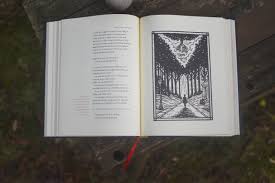
Art paper elevates visual storytelling by providing the perfect canvas for expression, detail, and emotional connection. Whether you’re a photographer, illustrator, designer, or painter, the material you choose plays a vital role in how your work is received. Art is not just about what is seen—it’s about how it is experienced. The texture, weight, and finish of art paper can enhance the narrative of your work, helping your audience connect more deeply with your story. Simply put, paper transforms presentation into presence.
What Is Art Paper and Why Does It Matter?
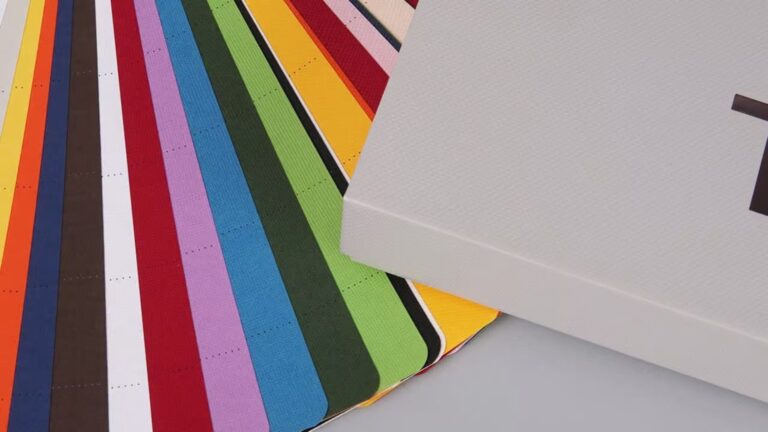
Art paper refers to high-quality paper designed specifically for creative and visual applications. Unlike standard printing paper, art paper is produced to highlight detail, absorb color effectively, and provide a tactile surface that complements artistic expression. It comes in various textures, weights, and finishes—ranging from smooth hot press to textured cold press, from matte to glossy. Because art paper elevates visual storytelling, artists and designers often select it based on how they want their message to feel, not just look.
Texture and Finish Enhance the Narrative
The texture of art paper contributes directly to the emotional tone of a piece. For example, a rough, toothy watercolor paper can create a rustic, organic feel, while a smooth, satin finish offers precision and clarity for intricate illustrations. These subtle elements affect how light interacts with the image, how ink or paint settles, and how the viewer engages. The paper becomes part of the story—guiding interpretation, mood, and meaning through its surface.
Color Reproduction and Ink Absorption
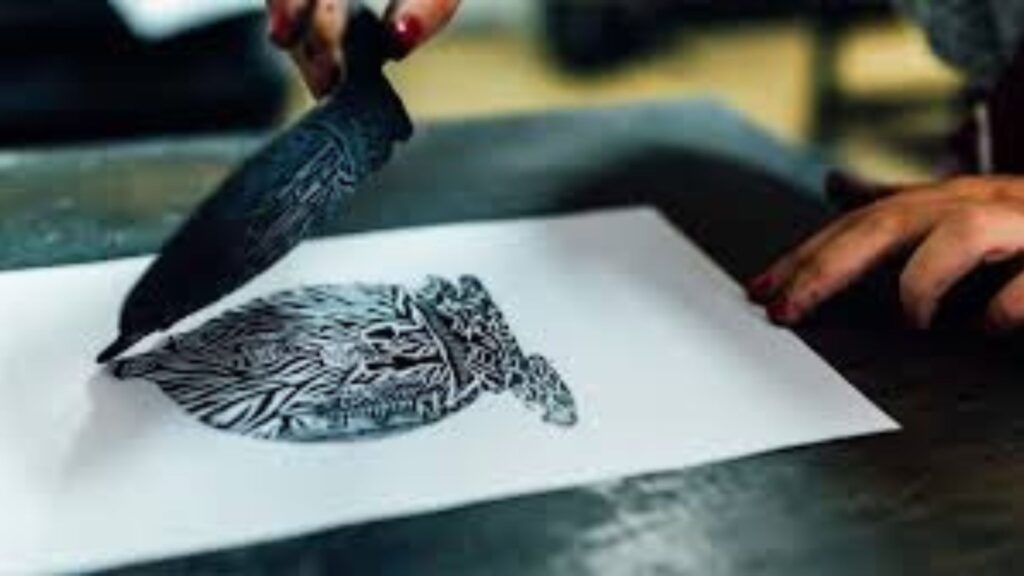
When it comes to visuals, accurate color reproduction is crucial. Art paper is designed to interact with ink and pigment in ways that standard paper cannot. It absorbs colors evenly and allows for rich, consistent saturation. This helps artists maintain integrity in their work—from soft pastels to vivid inks. For printmakers and photographers especially, art paper ensures that shadows remain nuanced and highlights stay bright. As a result, your printed story maintains the depth and vibrancy of your original creation.
Medium-Specific Benefits of Art Paper
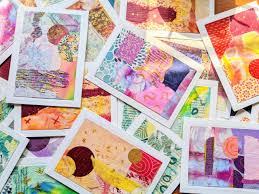
Different types of art paper are tailored to specific mediums, which in turn supports the storytelling process. Watercolor paper, for instance, needs to be absorbent yet strong to hold multiple washes. Sketching paper is typically lighter, allowing for free movement and quick rendering. Mixed media paper bridges the gap for projects that involve both wet and dry techniques. Each paper type enables artists to push their medium further, creating more compelling and technically sound stories. Since art paper elevates visual storytelling, the right match enhances both performance and expression.
Professional Presentation and Audience Impact
Beyond creation, art paper plays a critical role in how work is presented and perceived. A beautifully textured print or a fine art reproduction on premium paper commands attention and respect. It signals intention, care, and professionalism. When audiences touch or see quality paper, it deepens their appreciation for the work. Galleries, clients, and consumers often judge not only the artwork but also the medium it’s delivered on. Choosing the right art paper helps your storytelling extend from the studio into the hands of the viewer.
Conclusion: Tell a Better Story With the Right Paper
In conclusion, art paper elevates visual storytelling by supporting the creative process, enhancing detail and color, and shaping how audiences receive your work. Whether you aim for bold and dramatic or soft and intimate, the right paper can bring your vision to life more fully. It’s more than a substrate—it’s a storytelling partner. As you plan your next artistic project, consider how the feel, look, and quality of art paper can transform your work from visually appealing to emotionally impactful.