Advanced Methods For Book Binding.
Advanced methods for book binding enhance both durability and visual appeal in books, journals, and notebooks. Using modern techniques ensures pages remain secure and covers stay intact. Applying advanced methods for book binding combines traditional craftsmanship with innovative materials, creating professional and long-lasting results. These methods allow creators to produce high-quality products that are both functional and aesthetically pleasing.
Why Advanced Binding Methods Are Important
Modern binding techniques improve structural integrity and extend the life of printed materials. They also provide a polished, professional finish. Using advanced methods for book binding ensures that books and creative projects withstand daily use and handling. High-quality adhesives, threads, and covers work together to produce reliable and long-lasting results.
Popular Advanced Book Binding Methods
Sewn Binding
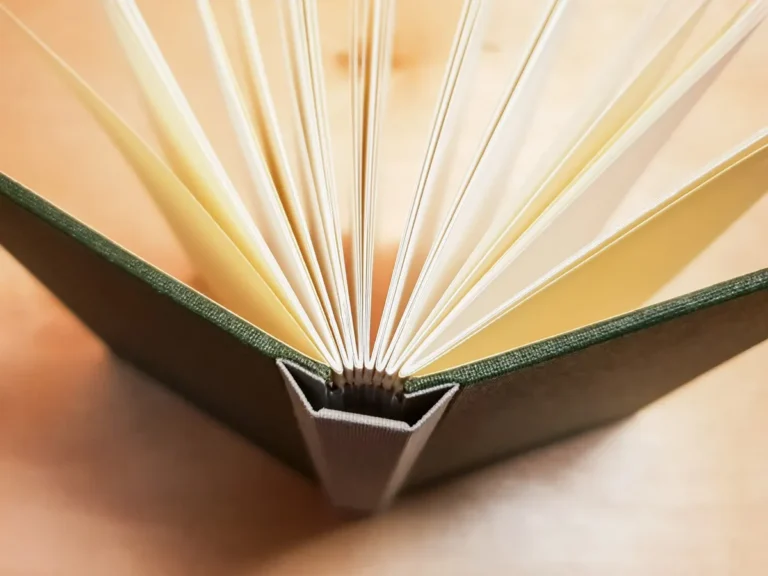
Sewn binding uses threads to attach pages securely. It provides flexibility, allowing books to open flat without damaging the spine.
Perfect Binding
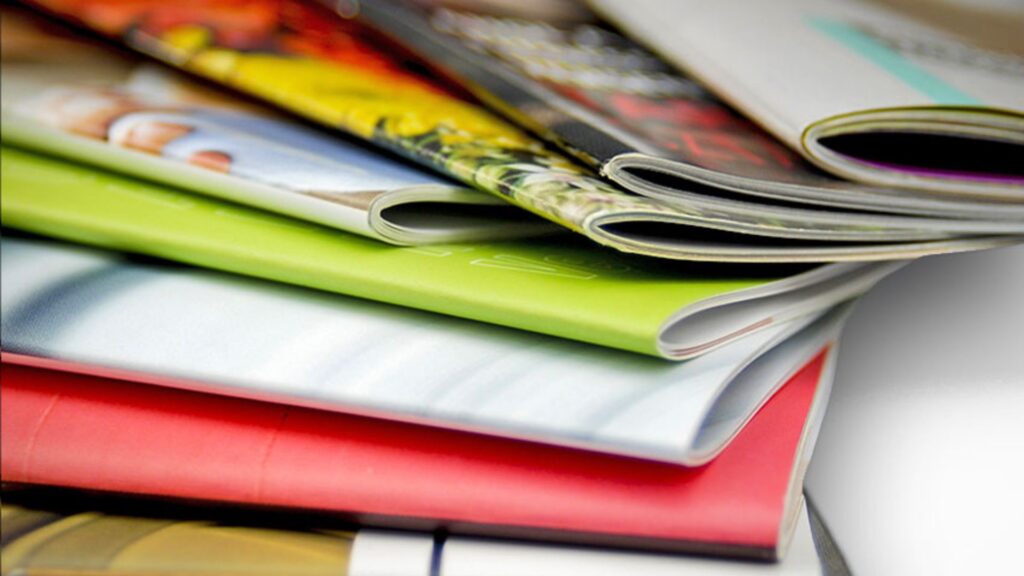
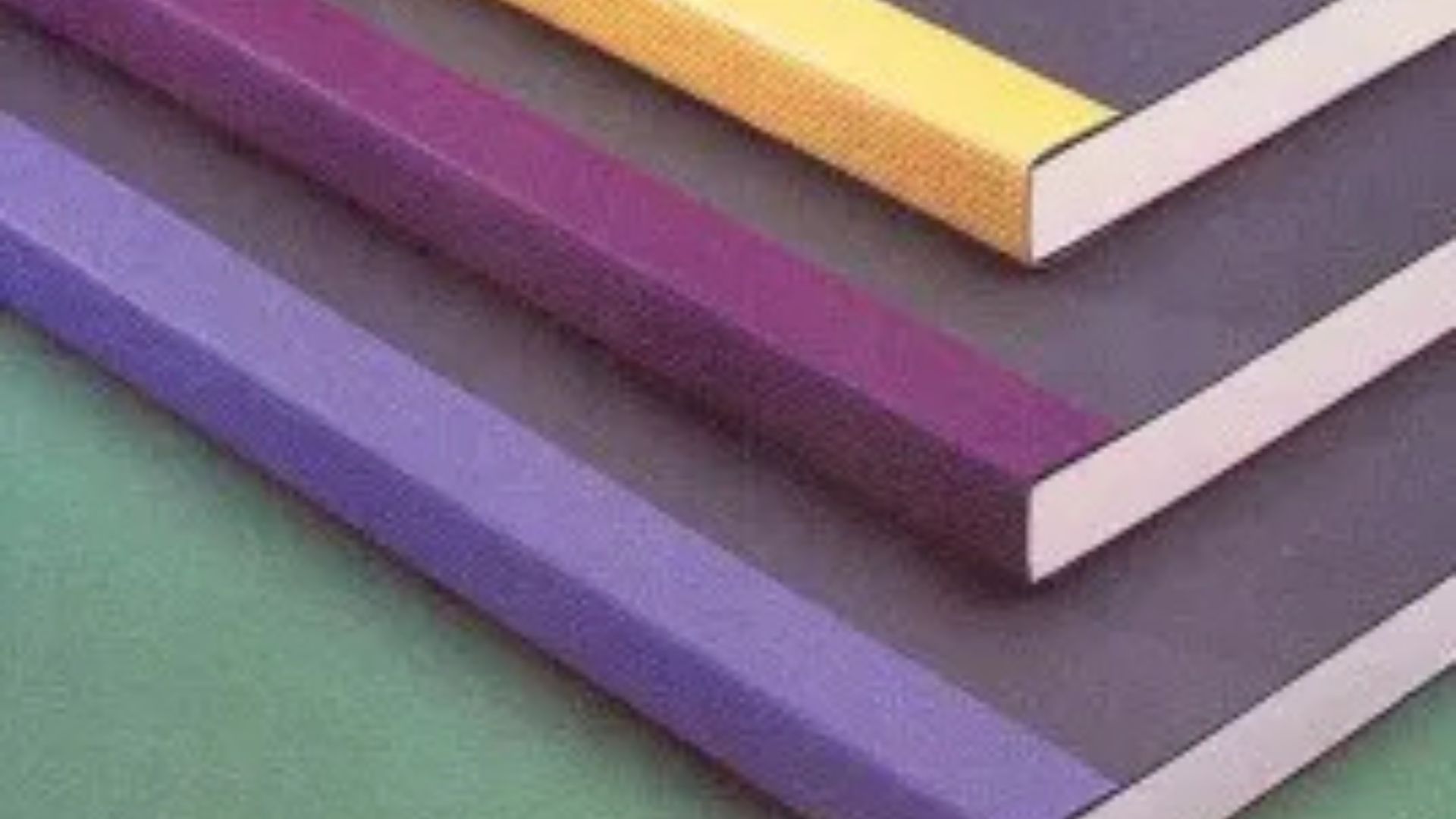
Perfect binding relies on adhesive to secure pages to a flat spine. It is commonly used in softcover books, manuals, and magazines.
Spiral and Wire-O Binding
Spiral or Wire-O binding uses coils to hold pages. This method allows books to lay flat, making it ideal for notebooks and workbooks.
Case Binding (Hardcover)
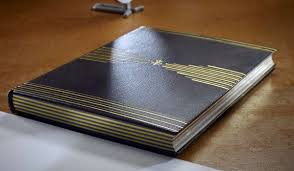
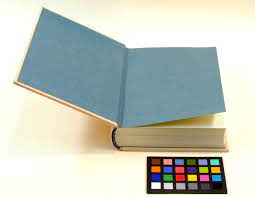
Case binding involves attaching pages to a hard cover using endpapers and adhesives. This method creates premium, durable hardcover books.
Hybrid Techniques
Combining sewing, adhesives, and laminates enhances durability and aesthetics. Hybrid methods are ideal for premium books and creative projects.
Applications of Advanced Binding Methods
These methods are suitable for:
-
Hardcover and softcover books
-
Journals, planners, and notebooks
-
Workbooks, manuals, and guides
-
Scrapbooks and artistic projects
-
Promotional or branded publications
Benefits of Modern Binding Techniques
-
Increases durability and lifespan of books
-
Supports decorative and professional finishes
-
Enhances visual appeal and structural integrity
-
Reduces material waste and errors
-
Improves user experience with flat-opening books
Tips for Effective Advanced Binding
-
Select the right method based on project requirements
-
Use high-quality adhesives, threads, and covers
-
Test techniques on sample projects before full production
-
Combine multiple methods for optimal durability
-
Work with trusted suppliers for consistent quality
Modern Trends in Book Binding
Current trends focus on combining traditional and innovative techniques. Eco-friendly adhesives, recycled threads, and sustainable papers are popular choices. Embossing, foil stamping, and laminations add premium finishes. Digital and offset printing pair seamlessly with advanced binding methods, ensuring precise and consistent results. Creative projects now incorporate textures, coatings, and hybrid approaches for unique, professional-quality outcomes.
Conclusion
Advanced methods for book binding are essential for creating professional, durable, and visually striking books and creative projects. Sewing, perfect binding, spiral, and case binding techniques provide strong structure and flexibility. Combining these methods with high-quality materials and decorative finishes ensures lasting results. Using advanced methods for book binding allows creators to produce books, journals, and notebooks that are functional, long-lasting, and visually impressive. Proper selection of techniques and materials guarantees polished, professional, and reliable outcomes.