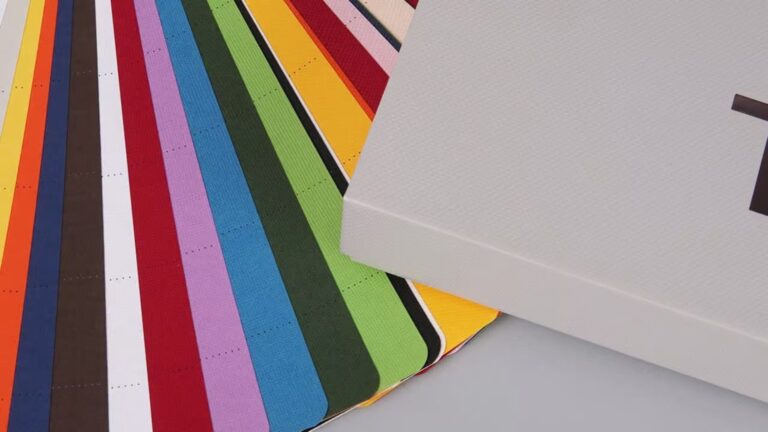

Sustainable paper supports green production
Sustainable paper supports green production by reducing environmental impact, conserving natural resources, and promoting ethical sourcing. As global concerns over deforestation, waste, and carbon emissions increase, the demand for eco-friendly paper has never been higher. Businesses, designers, and consumers alike are seeking greener alternatives without sacrificing quality. Fortunately, sustainable paper offers a smart solution—combining performance with responsibility. From recycled content to FSC certification, the choices we make in paper sourcing can contribute significantly to a more sustainable future.
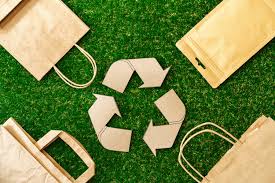
What Is Sustainable Paper?
Sustainable paper is manufactured with practices that minimize harm to the environment. This includes using recycled fibers, sourcing raw materials from responsibly managed forests, and limiting harmful chemicals in production. Certifications like FSC (Forest Stewardship Council) and PEFC (Programme for the Endorsement of Forest Certification) verify that paper products meet strict environmental and social standards. Additionally, sustainable paper often involves energy-efficient production and reduced water usage. These factors ensure that the paper you choose helps conserve ecosystems and supports long-term environmental health.
How Sustainable Paper Supports Green Production
By choosing sustainable paper, companies directly support green production processes that prioritize renewable resources and low-impact manufacturing. Sustainable paper reduces the need for virgin wood pulp, which means fewer trees are cut down. This not only preserves forests but also protects biodiversity and prevents soil erosion. Moreover, recycled paper production emits fewer greenhouse gases and uses significantly less energy compared to traditional paper manufacturing. As a result, opting for sustainable paper helps lower your carbon footprint and contributes to climate-conscious printing.
Benefits for Businesses and Brands
Using sustainable paper isn’t just an environmental decision—it’s also a branding opportunity. Consumers are increasingly drawn to eco-friendly products and appreciate companies that align with their values. When a brand uses recycled or FSC-certified paper, it communicates commitment to environmental stewardship. This builds trust, enhances reputation, and differentiates your brand in a crowded marketplace. Whether you’re printing packaging, marketing materials, or product labels, your choice of paper can reflect a deeper purpose and positively influence customer perception.
Common Types of Sustainable Paper
There are several types of sustainable paper available, each offering different benefits depending on your project. Recycled paper uses post-consumer waste to create new sheets, conserving trees and reducing landfill waste. Tree-free paper, made from agricultural residues or alternative fibers like hemp and bamboo, offers another environmentally friendly option. Chlorine-free paper reduces toxic byproducts in the bleaching process, while FSC-certified paper ensures responsible forest management. With so many choices, it’s easier than ever to align your paper use with green values.
Challenges and How to Overcome Them
While sustainable paper supports green production, some businesses hesitate to adopt it due to perceived higher costs or concerns about print quality. However, advances in technology have made eco-friendly paper more affordable and widely available than ever before. Many sustainable papers now match the performance and appearance of conventional options. To overcome barriers, start with small changes—such as switching to recycled printer paper or choosing FSC-certified packaging. Gradually scaling up your use of sustainable paper can lead to measurable environmental and branding benefits.
Conclusion: Make Paper Part of Your Sustainability Strategy
In conclusion, sustainable paper supports green production by reducing environmental harm, conserving resources, and encouraging responsible industry practices. It empowers businesses and individuals to make smarter, more ethical choices in their print and packaging needs. Whether you’re running a small creative studio or a large enterprise, integrating sustainable paper into your workflow is a meaningful step toward environmental responsibility. With every project you print, you have the power to support green production—one sheet at a time.