
Paper choice defines the tone of your work
Paper choice defines the tone of your work by influencing how your message is received visually and physically. Whether you’re presenting a business proposal, designing wedding invitations, or printing a creative portfolio, the paper you select sends an immediate signal about quality, intent, and professionalism. Paper isn’t just a background for content—it’s part of the message itself. From texture to thickness, every element shapes the reader’s perception. That’s why thoughtful paper selection is crucial for any print project.

How First Impressions Are Shaped by Paper
When someone picks up a printed piece, their first impression isn’t just based on what they read—it begins the moment they feel the paper. A smooth, heavy cardstock conveys professionalism and seriousness. In contrast, a light, flimsy sheet might suggest something disposable or unimportant. For example, a luxury brand using uncoated recycled paper might communicate eco-consciousness and sophistication, while a bold, glossy flyer could suggest excitement and urgency. In short, paper speaks volumes before the content is even absorbed.
Matching Paper Type to Purpose
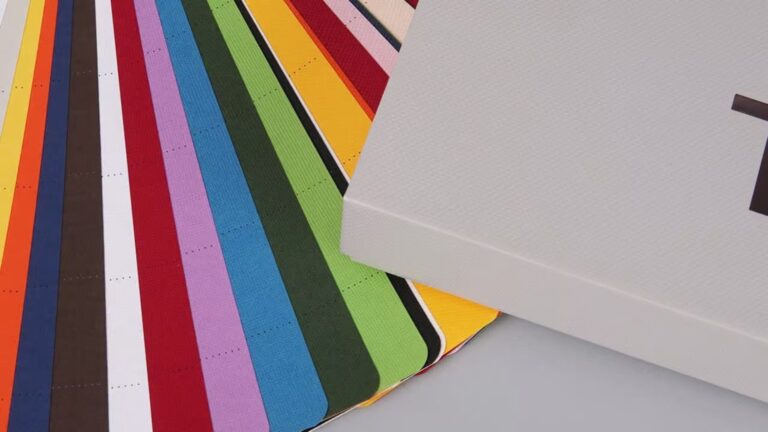
Each paper type brings a different tone to your project. Glossy paper reflects light and emphasizes color, making it ideal for vibrant imagery or promotional materials. Matte paper, on the other hand, offers a subtle, refined finish perfect for formal documents or artistic work. Textured paper, like linen or felt, adds tactile depth and is often used in elegant stationery or invitations. Since paper choice defines the tone of your work, it’s essential to align the finish and feel of the paper with the project’s purpose and audience expectations.
How Paper Weight Communicates Substance
Along with texture and coating, paper weight also affects tone. Heavier paper feels substantial and important, which is why it’s commonly used in certificates, resumes, and premium print products. Lighter-weight paper, while more affordable, may signal casual or temporary use. Think of the difference between a glossy magazine cover and the internal pages—they serve different purposes and therefore require different weights. Choosing the right weight supports the message you’re delivering and adds credibility to your content.
The Psychological Impact of Paper on the Reader
Not only does paper affect visual perception, but it also influences the emotional experience of the reader. Studies have shown that tactile sensations can affect trust, value perception, and memory. A thoughtfully chosen paper can make your message feel more personal, more serious, or more creative. For example, a textured paper can trigger feelings of nostalgia or craftsmanship, while a sleek, coated sheet may suggest innovation and modernity. Because paper choice defines the tone of your work, it’s also shaping how your audience emotionally engages with it.
Practical Tips for Selecting the Right Paper
To make the right paper choice, start by identifying the goal of your print piece. Ask yourself: Who is the audience? What feeling or message do I want to convey? Will the piece be handled frequently or kept long-term? Then consider the visual and tactile qualities of the paper—weight, texture, color, and coating. It’s also smart to request paper samples from your printer and test them with your actual content. This ensures the paper performs well with your selected fonts, colors, and images, aligning tone with execution.
Conclusion: Make Every Sheet Count
In conclusion, paper choice defines the tone of your work by bridging your content and your audience’s perception. It transforms your ideas from mere words or images into experiences that can be touched, remembered, and appreciated. Whether you’re aiming for bold, understated, luxurious, or eco-conscious, there’s a paper that can help you express that message clearly. So, next time you prepare a printed piece, don’t leave paper selection as an afterthought. Let it be the foundation that supports your vision and elevates your work.